$39.13
$59.87
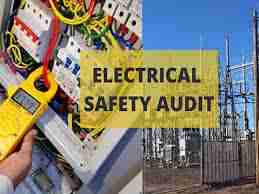
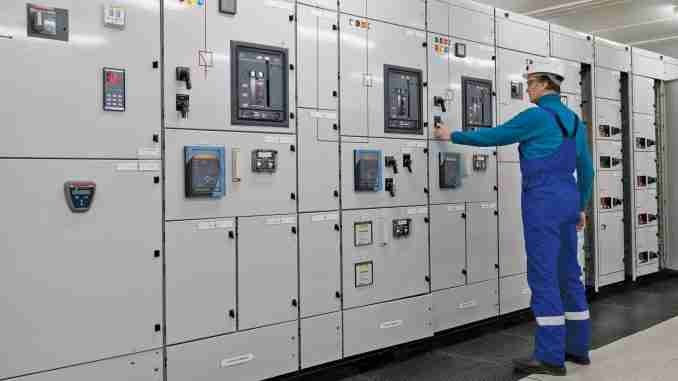
Electrical Safety Audit (ESA) Services – ETC UAEETC is an authorized provider of Electrical Installation Study, Analysis, Inspection, and Certification Services in the UAE, offering specialized Electrical Safety Audit (ESA) solutions for industrial, commercial, and institutional clients. Our services are designed to identify potential electrical hazards, ensure regulatory compliance, and enhance the safety and reliability of electrical systems.Electrical safety is a continuous process. In process industries, electrical faults can trigger fires, especially in facilities handling flammable chemicals. In service sectors, including IT, telecommunications, banking, and commercial establishments, electrical hazards can cause significant business interruption losses, property damage, or equipment failures. Ensuring proactive electrical safety measures is therefore critical for the protection of personnel, assets, and operational continuity.Electrical Safety Audit (ESA)An Electrical Safety Audit is a systematic, independent evaluation of a facility’s electrical systems, processes, and safety protocols. Conducted by trained professionals, the audit reviews:Arc flash studies, training programs, documentation, and PPE usageCompliance with NFPA 70E, OSHA, and other regulatory standardsDocumentation for regulatory auditsPreventive maintenance procedures and operational safety systemsThe audit ensures that your electrical safety program is up-to-date, comprehensive, and compliant with the latest industry standards.Benefits of Electrical Safety AuditElectrical safety audits provide numerous benefits, including:Regulatory Compliance: Ensures adherence to local and international safety codesEnhanced Safety: Minimizes the risk of electrical shocks, arc flashes, and firesOptimized Resource Utilization: Improves operational efficiency of electrical systemsClarified Responsibilities: Defines roles for electrical safety managementPreventive Maintenance Assurance: Ensures electrical equipment remains safe and serviceableHazard Identification: Detects and eliminates potential electrical risksAsset Protection: Extends the life of sensitive equipment such as computers and industrial machinesContinuous Improvement: Develops records of safety performance and promotes a cycle of ongoing improvementWhy Electrical Safety Audits Are NecessaryElectrical hazards are a leading cause of industrial accidents worldwide. Statistics show:Approximately 8% of all industrial fatalities result from electrical accidentsNFPA data indicate that roughly 25% of all fires are caused by electrical equipment or installationsMajor industrial fires reveal that nearly 40% originate from electrical causes, including short circuits, overloading, and loose connectionsWhile general safety audits may identify some electrical hazards, a comprehensive ESA provides an in-depth assessment of system design, maintenance, and operational practices, ensuring a complete understanding of potential risks.Classification of Electrical Safety Audit ServicesESA services can be broadly classified into three stages:1. Pre-Audit PhaseFormation of a competent audit teamPre-audit briefing with client officialsReview of preventive maintenance records, accident reports, and historical inspection dataPlant walkthroughs and discussion with electrical and safety personnelDefinition of the audit scope based on client-specific requirementsTypical pre-audit review includes:Process details and electrical single-line diagramsMajor electrical equipment specificationsClassification of hazardous zones and flammable materials handledRecords of electrical accidents and prior modifications or expansionsOverview of electrical maintenance and safety systems2. Audit PhaseDuring the audit, the team conducts comprehensive inspections of all electrical installations and safety practices, including:Physical inspection for electrical hazards (shock, arc flash, fire)Review of protection devices, cable adequacy, and motors based on load measurementsAssessment of preventive maintenance documentation, checklists, work permits, and test recordsIdentification of employee training needs for electrical safetyEvaluation of earthing systems and compliance with IS 3043Review of test records, including transformer oil tests, insulation resistance, and earth resistance measurementsIdentification of potential electrical fire hazards and implementation of protective measuresAssessment of electrostatic hazards (ESD) and recommendationsThe audit leverages checklists aligned with statutory and non-statutory standards, ensuring no safety aspect is overlooked.3. Post-Audit PhaseThe post-audit phase consolidates observations and recommendations into a comprehensive report, comprising:Management Abstract: Highlights critical hazards, immediate corrective actions, and key recommendations for executive decision-makingIntroduction: Scope, exclusions, audit team details, client representatives, methodology, and safety system overviewOverview of Electrical System: Detailed account of power supply, distribution, critical installations, nameplate information, and expansion plansSpecific Observations and Recommendations: Area-wise findings, including compliance with protection standards, earthing, cabling, and fire hazard managementLightning Protection Evaluation: Assessed per IS 2309 and NFPA 780, including risk assessment and maintenance reviewElectrostatic Hazard Evaluation: Identification of ESD risks, bonding, grounding, and minimum ignition energy considerationsHazardous Areas Assessment: Verification of zoning, flameproof installations, and equipment compliance in hazardous zonesCore Audit Focus AreasCompliance & Documentation: Ensures adherence to national and international codes, inspector reports, and timely reporting.Shock, Arc Flash, & Injury Hazards: Assesses RCCBs, MCBs, MCCBs, fuses, earthing, PPE usage, and operator safety practices.Fire & Explosion Hazards: Evaluates combustible material management, wiring integrity, overloading, and protective device functionality.Training & Competency: Identifies training needs, evaluates program content, frequency, and instructor competency.Preventive Maintenance (EPM): Reviews implementation of maintenance programs, equipment testing, calibration, and documentation.Electrical Protection Systems: Verifies protection relay settings, calibration, transformer safety devices, and short-circuit/overload protection.Comprehensive Documentation ReviewAfter field inspection, all technical documentation is reviewed, including:Single-line diagrams, earthing layouts, and lightning protection drawingsMaintenance logs, electrical inspection reports, and history cardsOEM manuals and equipment specificationsAll documentation is cross-verified against actual installations, ensuring accuracy and regulatory compliance.Specialized AssessmentsLightning Protection Systems: Evaluated per IS 2309 and NFPA 780, including maintenance procedures.Electrostatic Hazard Control: Identification and mitigation of ESD risks through bonding, grounding, and safety solutions.Hazardous Area Evaluation: Verification of flameproof equipment, area classification, and compliance with safety standards.Electrical Safety as a Continuous ProcessElectrical safety audits are a strategic management tool rather than a one-time compliance exercise. While audits do not replace daily operational vigilance, they:Strengthen internal control systemsIdentify risks and gaps in safety managementPromote accountability at all organizational levelsFacilitate continuous improvement in electrical safety performanceWith ETC’s certified professionals, advanced testing tools, and decades of experience, clients can be assured that their electrical systems are safe, compliant, and future-ready.
Third Party Electrical Certification